The construction industry is divided into three main sectors: residential, commercial, and infrastructure. Although it may seem simple at first glance, the reality is that each sector encompasses a variety of subcategories that require unique legal, regulatory, and planning considerations.
For instance, within the commercial sector alone, there are four main categories: industrial, retail, office, and multifamily. In this article, we explore the intricate and continually evolving realm of industrial construction to ensure you possess all the necessary information for a successful project.
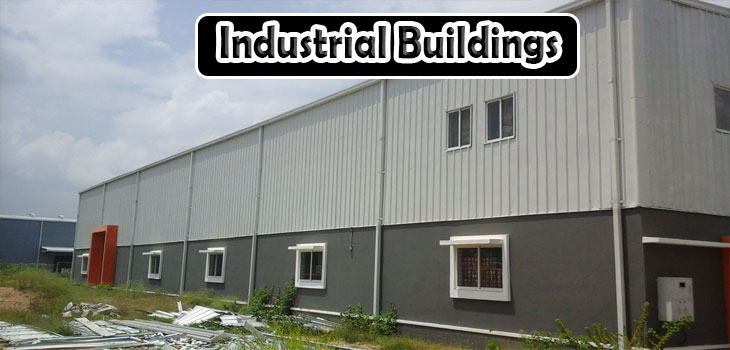
Industrial buildings are specifically designed facilities that serve as dedicated spaces for industrial operations. They are constructed to fulfill the particular needs of industrial activities, offering sufficient space and essential infrastructure. Typically, these buildings feature expansive open floor plans, elevated ceilings, and robust structural elements to support heavy machinery and equipment.
These buildings are vital in bolstering various economic sectors, including manufacturing, logistics, and production. They are crucial for accommodating equipment, storing raw materials, and facilitating the production process. These facilities are meticulously designed to guarantee efficiency, safety, and functionality within the industrial environment.
The structural design and configuration of industrial buildings, along with their essential characteristics, are fundamental to their operational effectiveness and efficiency.
These facilities are constructed to endure substantial loads, provide sufficient space for machinery and equipment, and ensure a seamless workflow. The configuration of industrial buildings is thoughtfully designed to enhance productivity, streamline material flow, and prioritize worker safety.
These buildings frequently integrate cutting-edge technologies such as automation systems, robotics, and Internet of Things (IoT) devices to optimize operations and improve overall efficiency.
The incorporation of these technologies into the architectural design and configuration facilitates real-time process monitoring, predictive maintenance, and data-informed decision-making.
These buildings are built using robust materials that can endure the rigors of industrial activities and ensure long-lasting performance. Commonly utilized materials in construction include:
Steel: Renowned for its strength and adaptability, steel is a favored option for the structural framework.
Concrete: Employed for foundations, flooring, and walls, concrete provides durability and resistance to fire and severe environmental conditions.
Composite Panels: These panels, made up of various materials such as steel, insulation, and cladding, offer insulation, weather resistance, and visual appeal.
The choice of materials is determined by considerations such as cost, durability, maintenance needs, and specific industry requirements.
In addition to the aforementioned materials, these buildings may also feature sustainable components such as green roofs, solar panels, and energy-efficient HVAC systems.
These environmentally friendly attributes not only mitigate the ecological footprint of the building but also lead to cost reductions and adherence to regulations.
Investing in an industrial buildings can yield numerous benefits for enterprises, including:
Industrial buildings are engineered to accommodate large machinery and equipment, enabling businesses to optimize production workflows.
Owning an industrial buildings can be more economical than leasing, providing a stable asset for long-term business strategy.
Industrial buildings can be tailored to meet specific business requirements, including dimensions, layout, and construction materials.
Industrial buildings must adhere to local building codes, which establish minimum safety and construction standards. This encompasses requirements for fire safety, electrical systems, and accessibility.
Industrial buildings may be subject to environmental regulations, including those concerning air quality, water usage, and waste disposal. Businesses must ensure compliance with these regulations to avoid costly fines and legal issues.
The dimensions and configuration of an industrial building will be determined by the specific requirements of the business. Factors to consider include:
Amount of floor space required for production and storage
Ceiling height requirements for machinery and equipment
Office space and employee amenities
Industrial buildings must be constructed to support heavy machinery and equipment. Key considerations when designing an industrial building include:
Roof design and load-bearing capacity
Ventilation and air quality control
Construction and Maintenance of Industrial Buildings
Typically, industrial buildings are built using materials that can endure heavy loads and machinery. Common construction materials include steel, concrete, and reinforced masonry.
Investing in energy-efficient building materials and systems can assist businesses in reducing operating costs and minimizing their carbon footprint.
Regular maintenance and repairs are essential for industrial buildings to ensure they operate efficiently and safely. This includes tasks such as:
Cleaning and maintenance of HVAC systems
Replacement of worn or damaged equipment
When you choose us, you'll feel the benefit of 20 years' experience of industrial construction services. With our capacity to meet the mass requests, we have had the option to take special care of the requirements of our significant clients.
The most common material used for warehouses is steel, creating a pipe system that supports the outside cladding & roof.

Industrial construction deals with factories, power plants, warehouses, and other highly specialized facilities.

Pre-Engineered Building is the fundamental based design which directly manufactured by the PEB Manufacturers association.

PEB is the ideal choice for any kind of construction needs whether it is for the individual reason/for the business reason.

Pre-Engineering Building are broadly utilized in the residential just as industrial sector for its unparalleled attributes.

Steel is heat proof, meaning it will not totally stop a fire. Steel is one of the most durable materials for construction.


